

Methylene Blue: Ingredient Overview and Prohibited Status
- METHYLTHIONINIUM CHLORIDE
- METHYLENE BLUE ANHYDROUS
 Prohibited
What is methylene blue?
Methylene blue is a synthetic dye and medication originally developed in the 1870s. Today, intravenous methylene blue is a prescription drug (ProvayBlue) approved by the Food and Drug Administration (FDA) to treat acquired methemoglobinemia, a rare blood disorder. It is also used off-label for other medical conditions including cyanide poisoning, septic and anaphylactic shock, Alzheimer’s disease, and as a diagnostic aid during surgery.
- “Off-label” refers to using an approved drug for an unapproved purpose, such as treating a condition or disease outside its FDA-approved indications.
Methylene blue also has non-medical uses as an antiseptic and antifungal agent in aquarium management, as well as a biological stain in scientific laboratories. In recent years, non-prescription methylene blue products have proliferated online, some sold as dietary supplements, and others not.
How is methylene blue marketed in non-prescription health and wellness products?
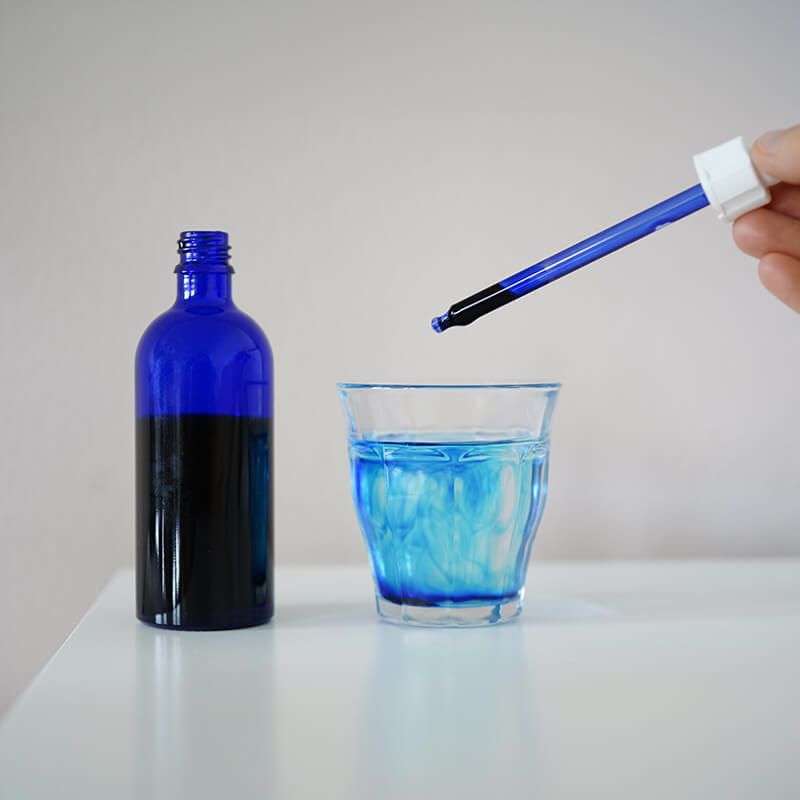
Methylene blue is sold online in various forms including liquid droppers, tablets, capsules, dissolvable strips, and buccal troches (small lozenges placed between the gum and cheek that are intended to absorb through the cheek lining).
- Some products are marketed as dietary supplements with Supplement Facts panels. Others may have “Research Facts” labels and are advertised as “not for human consumption” or “for research purposes only.”
These products are often promoted for health benefits such as increased focus and energy, boosted mood, and slower aging. However, there is no reliable scientific evidence to support the safety or effectiveness of methylene blue for any dietary supplement use.
Can Service Members take methylene blue?
As an FDA-approved medication, methylene blue should only be used with a current prescription under the supervision of a qualified healthcare provider.
- Service Members should use providers at their installation’s Medical Treatment Facility (MTF) whenever possible. These providers are more knowledgeable about service-specific policies regarding over-the-counter (OTC) and prescription medications. Service Members should ensure all their medications are recorded in their military health record and work with their military primary care provider to update any missing prescription entries.
Methylene blue is on the DoD Prohibited Dietary Supplement Ingredients List. It is prohibited for use by Service Members as a dietary supplement ingredient or in other forms without a prescription.
- According to FDA, “[…] the dietary supplement definition excludes ingredients that are approved as new drugs, licensed as biologics, or authorized for clinical investigation under an investigational new drug application (IND) that has gone into effect, unless the ingredient was previously marketed as a dietary supplement or as a food.”
Safety and Considerations
The purity of non-prescription methylene blue products sold online varies widely. Ultimately, the safety of these products, including those labeled as “pharmaceutical grade,” “laboratory grade,” or “industrial grade,” is not guaranteed. Methylene blue has known interactions with other medications and supplements.
- When taken with certain drugs, such as selective serotonin reuptake inhibitors (SSRIs), it can cause serotonin syndrome, a serious condition in which high levels of the neurotransmitter serotonin accumulate in the body.
- In individuals with glucose-6 phosphate dehydrogenase (G6PD) deficiency, a condition which exists in about 2% of the U.S. population, methylene blue may cause hemolysis (the destruction of red blood cells).
Commonly reported side effects of prescribed methylene blue include headache, nausea, dizziness, and blue-green discoloration of urine.
Bottom Line
- Methylene blue is on the DoD Prohibited Dietary Supplement Ingredients List and is prohibited for use in dietary supplements.
- The safety of non-prescription methylene blue products available online is unknown.
- As a drug, methylene blue should only be used with a current prescription under the supervision of a qualified healthcare provider.
Posted 08 October 2026

