

Questions and Answers About Testosterone
Questions and Answers About Testosterone
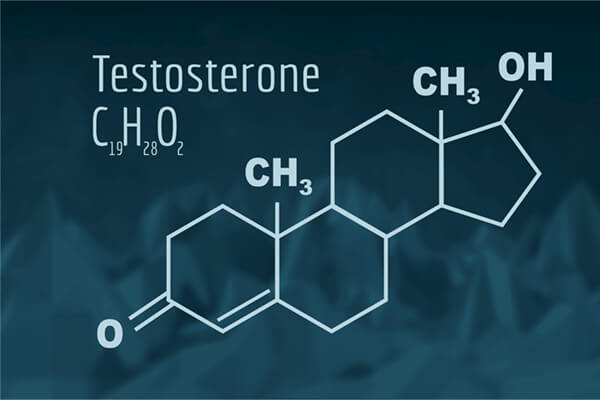
Testosterone is a sex hormone that helps build muscle and bone, develop sexual traits, stimulate red blood cell production, and influence sex drive and fertility. It is present in both men and women; however, men have much higher levels. Normal blood levels can be highly variable depending on factors such as sleep, nutrition, stress, exertion, and other medical conditions.
Endogenous testosterone is produced naturally by the body, whereas exogenous testosterone is synthetically produced in a lab for clinical use. Synthetic testosterone is a prescription medication approved by the Food and Drug Administration (FDA) for certain medical conditions and classified as a Schedule III controlled substance with risk of physical and psychological dependence.
Testosterone Replacement Therapy (TRT) is a medical treatment that generally refers to providing exogenous testosterone to men or women who have low testosterone levels caused by an underlying medical condition. Alternative approaches to TRT utilize medications to enhance the production of endogenous testosterone.
FDA-approved exogenous testosterone comes in various forms including topical gels, transdermal patches, buccal systems (applied to upper gum or inner cheek), and injections. There are no FDA-approved testosterone products for individuals with low testosterone levels who do not have an associated medical condition.
Since testosterone is an FDA-approved medication legally available for specific medical conditions, Service Members who take exogenous testosterone can only do so under the supervision of a licensed physician and must only use an FDA-approved medication. Use of TRT also requires ongoing patient monitoring and medication adjustment.
Testosterone levels vary throughout the day and are influenced by multiple factors, such as age, body weight, sleep quality, diet, stress, short-term illness, and medication use. Because of these variations, clinical guidelines set specific cutoff points to diagnose low testosterone (or testosterone deficiency):
- American Urological Association recognizes an early morning total testosterone level below 300 ng/dL as being a reasonable cut-off in support of a diagnosis of low testosterone, if it is accompanied by clinical symptoms.
A diagnosis of hypogonadism or Low-T should be made by a physician and treatment options, including the risks and benefits for TRT, need to be carefully considered before beginning physician monitored treatment.
Low testosterone can affect your physical, cognitive, and psychological health. Common symptoms include chronic fatigue, low energy, poor sleep, and mood changes like depression, irritability, or brain fog. Physical changes such as loss of muscle mass, increased body fat, and lower bone density, as well as sexual health issues like a reduced sex drive or erectile dysfunction, may also be associated with low testosterone levels.
No, because testosterone is both an FDA-approved prescription drug and a Schedule III controlled substance, it is prohibited as a dietary supplement ingredient for Service Members and appears on the DoD Prohibited Dietary Supplement Ingredients List in accordance with DoDI 6130.06. Testosterone prescription drugs should not be confused with over-the counter dietary supplement products labeled as testosterone-boosters. According to FDA, “[…] the dietary supplement definition excludes ingredients that are approved as new drugs, licensed as biologics, or authorized for clinical investigation under an investigational new drug application (IND) that has gone into effect, unless the ingredient was previously marketed as a dietary supplement or as a food.”
“Testosterone boosters” are dietary supplement products marketed to naturally boost or support testosterone levels. The labels of these products list a variety of dietary supplement ingredients, not actual testosterone.
FDA does not review dietary supplements for safety or effectiveness before they are sold to the public. Because there is very little scientific data on how the combined ingredients found in these products interact in the body, their safety and effectiveness are unknown.
Please read the OPSS website article about “testosterone boosters” for more information.
There are no dietary supplements approved by the FDA to boost or maintain natural testosterone levels. While OPSS cannot recommend specific dietary supplement products or ingredients, we offer resources to help you make informed decisions. You can submit questions about specific dietary supplement ingredients or products through the OPSS Ask the Expert portal.
According to FDA, there are concerns about dietary supplement products containing hidden active pharmaceutical ingredients. These hidden ingredients can result in harmful health effects or a positive drug test.
Products marketed for body-building and sexual enhancement are at higher risk of contamination and adulteration. Per FDA, “Many products that claim to help with sexual enhancement or treat sexual dysfunction, such as male enhancement supplements, erectile dysfunction treatments, male energy pills and stamina pills, are likely to be contaminated with dangerous hidden ingredients.”
Service Members are strongly advised to choose only dietary supplements that are certified by OPSS-vetted third-party organizations to reduce the risks of contamination and adulteration.
Service Members are required to ensure that any “testosterone-booster” or dietary supplement product does not list ingredients on the DoD Prohibited Dietary Supplement Ingredients List. Per DoDI 6130.06, Service Members are prohibited from using any dietary supplement containing ingredients on the list.
Without laboratory testing, there is no way to know the actual ingredients (or their amounts) in a “testosterone-booster” dietary supplement product, so we cannot say whether a product will produce an adverse event or a positive drug test. For questions regarding how specific ingredients might affect a military urinalysis drug test, Service Members can contact the DoW Drug Testing Laboratories. Please see the OPSS article “Dietary supplements and drug testing” for contacts.
If you suspect a dietary supplement caused a health problem or was contaminated, stop taking the product immediately and seek medical attention if you experience serious symptoms. Save the product, packaging, and original receipt, as these may be needed for investigation. Service Members and healthcare providers should report the incident through the online Report Adverse Events portal via OPSS.org, which links directly to the FDA Safety Reporting Portal. Reporting helps track unsafe products and/or ingredients and protects other Service Members from potential harm. Please contact the OPSS team at supplements@usuhs.edu if further assistance is needed.
Visit the Defense Health Agency's Health & Human Performance Optimization webpage for more information on the testosterone screening process and Clinical Practice Guideline.